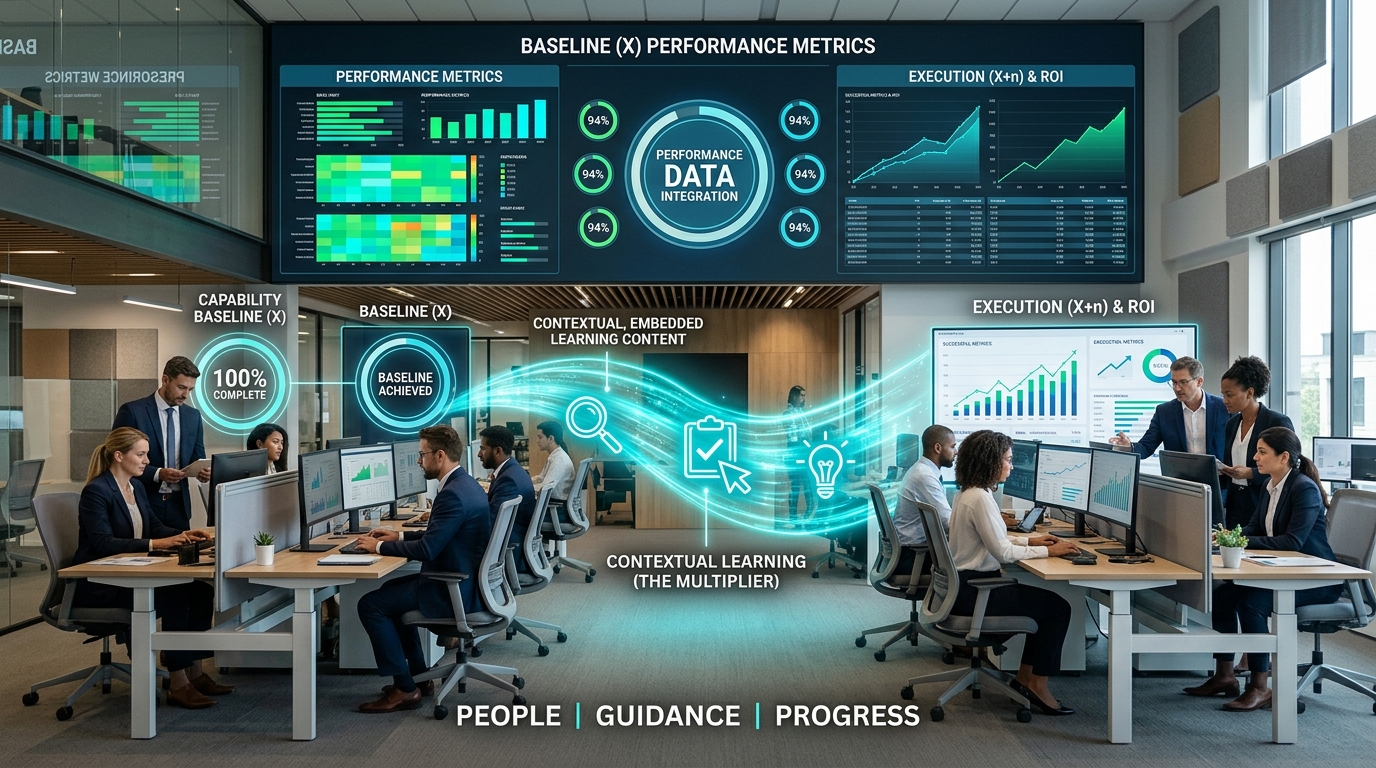
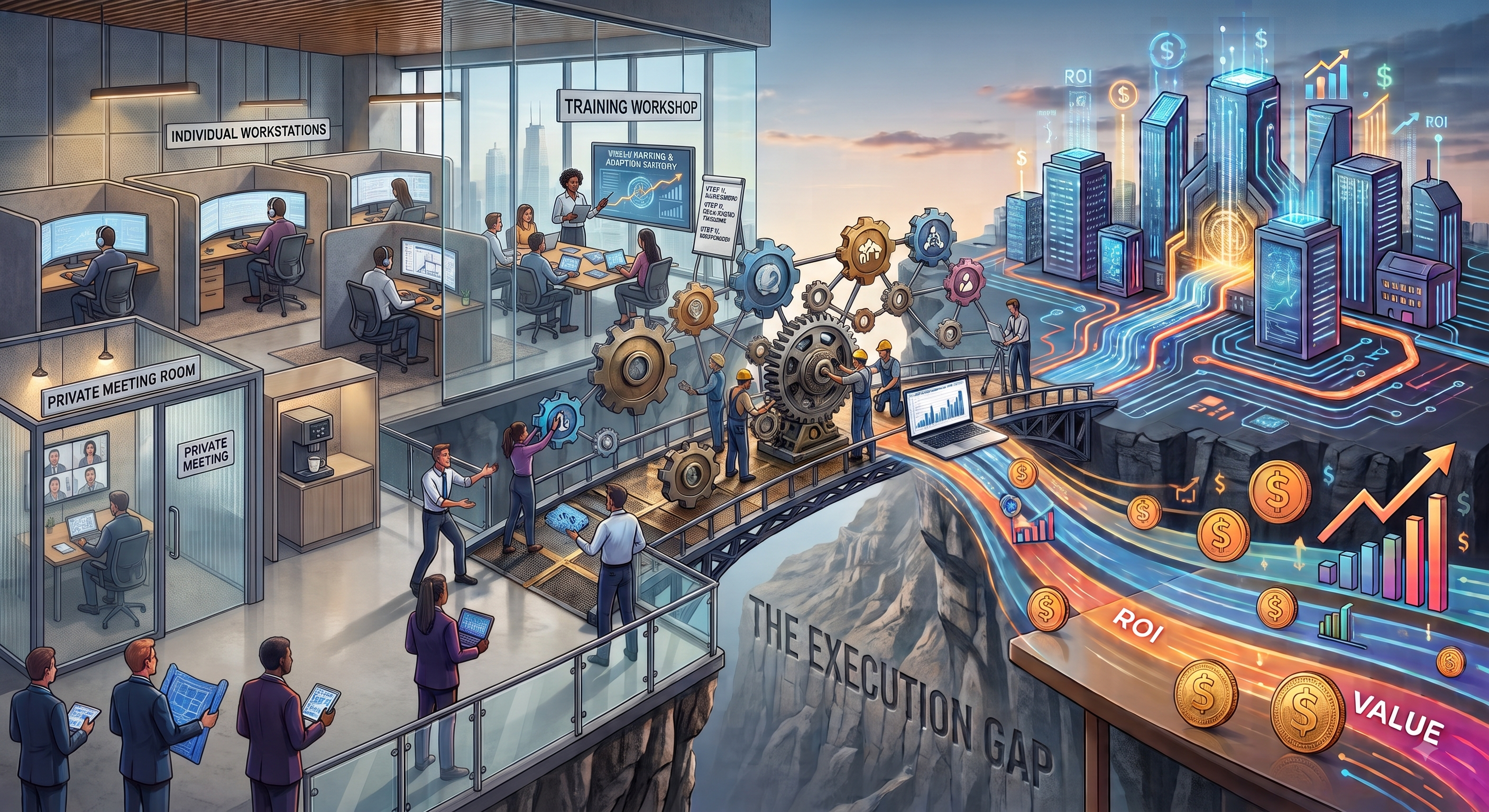
The global pandemic fundamentally changed the way we work, live, and collaborate. In a period of dramatic disruption, one constant remained foundational: continuous learning and education.
With physical classroom sessions on hold, enterprise e-learning stepped forward not just as a temporary fix, but as a vital pillar for corporate resilience, workforce engagement, and operational continuity.
Why Corporate Digital Learning Became Essential
As organizations transitioned to remote and hybrid models, new operational and psychological challenges quickly emerged:
The Rise of Remote Burnout: Blurred boundaries between personal and work hours increased stress, cognitive fatigue, and isolation. Operational Friction: Unaddressed employee strain led to higher error rates, reduced motivation, and longer hours with diminishing output. The Need for Continuous Reskilling: Fast-evolving digital tools demanded that employees continuously upgrade their technical and domain competencies. To navigate these hurdles, forward-thinking employers turned to digital learning to empower, engage, and support their distributed teams.
Core Advantages of Enterprise Digital Learning
Psychosocial Support & Morale: Interactive digital learning creates structured opportunities for professional growth, boosting confidence and connection. Reinforcing Culture & Values: Custom e-learning journeys help remote workers revisit core company principles, ethical standards, and organizational mission. Accelerated Onboarding: Curated, bite-sized modules guide new hires seamlessly through company policies, systems, and team structures from day one. Bridging the Knowledge Gap: Digital learning harmonizes capabilities across traditional workers adapting to new tools and digital-native talent. Key Drivers of Digital Learning Engagement
Online learning offers anytime, anywhere access across devices. Learners can schedule training around their high-focus work blocks without disrupting core daily priorities.
Bite-Sized Modules: Focused, 3- to 7-minute learning nuggets addressing specific real-world tasks. Adaptive Delivery: Tailored content pathways that adjust based on individual learner proficiency and role requirements. Multi-Device Compatibility: Frictionless experiences on desktops, tablets, and smartphones. Blending on-demand modules with synchronous virtual workshops (via Teams, Zoom, or Google Meet) provides the optimal blend of self-paced study and peer-to-peer discussion.
Modern learning architectures ensure enterprise-grade security through single sign-on (SSO), role-based access control, and compliant cloud hosting.
Looking Ahead: The Resilient Learning Culture
Digital learning is far more than an emergency fallback—it is the catalyst for continuous organizational innovation. By investing in adaptive, engaging, and accessible learning ecosystems, enterprises ensure their workforce remains agile, motivated, and future-ready.